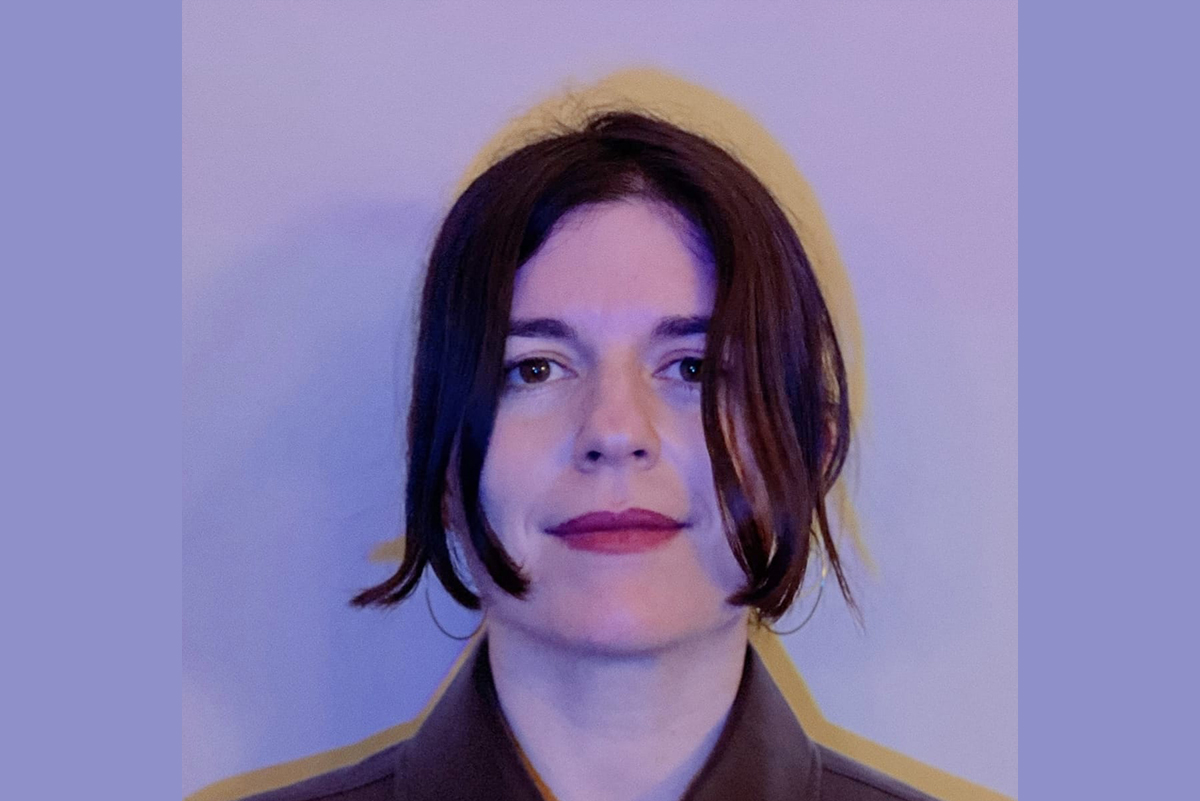
Julia Huet Alberola
Country: Belgium
Théâtre de Liège
Director’s Bio
Trained in dramatic performance at the Conservatoire de Marseille, shaped by workshops with Pippo Delbono’s company, and later at the Théâtre National de Bretagne with Stanislas Nordey, Julia Huet Alberola graduated from INSAS and is now a Brussels-based theatre director.
Her creations — ADN (Fondation Roi Baudouin Prize), Souterraines (Féminin/ Masculin Research Grant), Étrange Vallée (Maeterlinck Actor Hope Prize 2023) and Mylittleemi (Jury Coup de Cœur & International Jury Prize – Festival Émulation) — each explore questions of embodiment, offering fictional worlds that probe the coexistence of solitude and collectivity, truth and fabrication, the living and the artificial.
These tensions run through her research on acting, which places performers at the centre of her process, as well as through her reflections on the shifts and contradictions of our era.
Alongside her directing work, Julia regularly writes interpretative fictions for visual artists, collaborates as a dramaturg or acting coach with Belgian companies (Das Fräulein, Erodium…), and contributes to film sets.
Mylittleemi
Concept of the Performance:
Mylittleemi is part of Julia Huet Alberola’s research cycle on contemporary loneliness and its commodification, exploring the desire for connection in an age shaped by digital technologies and conversational AI. Inspired by her experience with an app offering virtual companionship, and supported by extensive documentation, the piece examines these new commercialised forms of intimacy—used by more than thirty million people navigating a blur of illusion, genuine longing, and monetised emotional bonds.
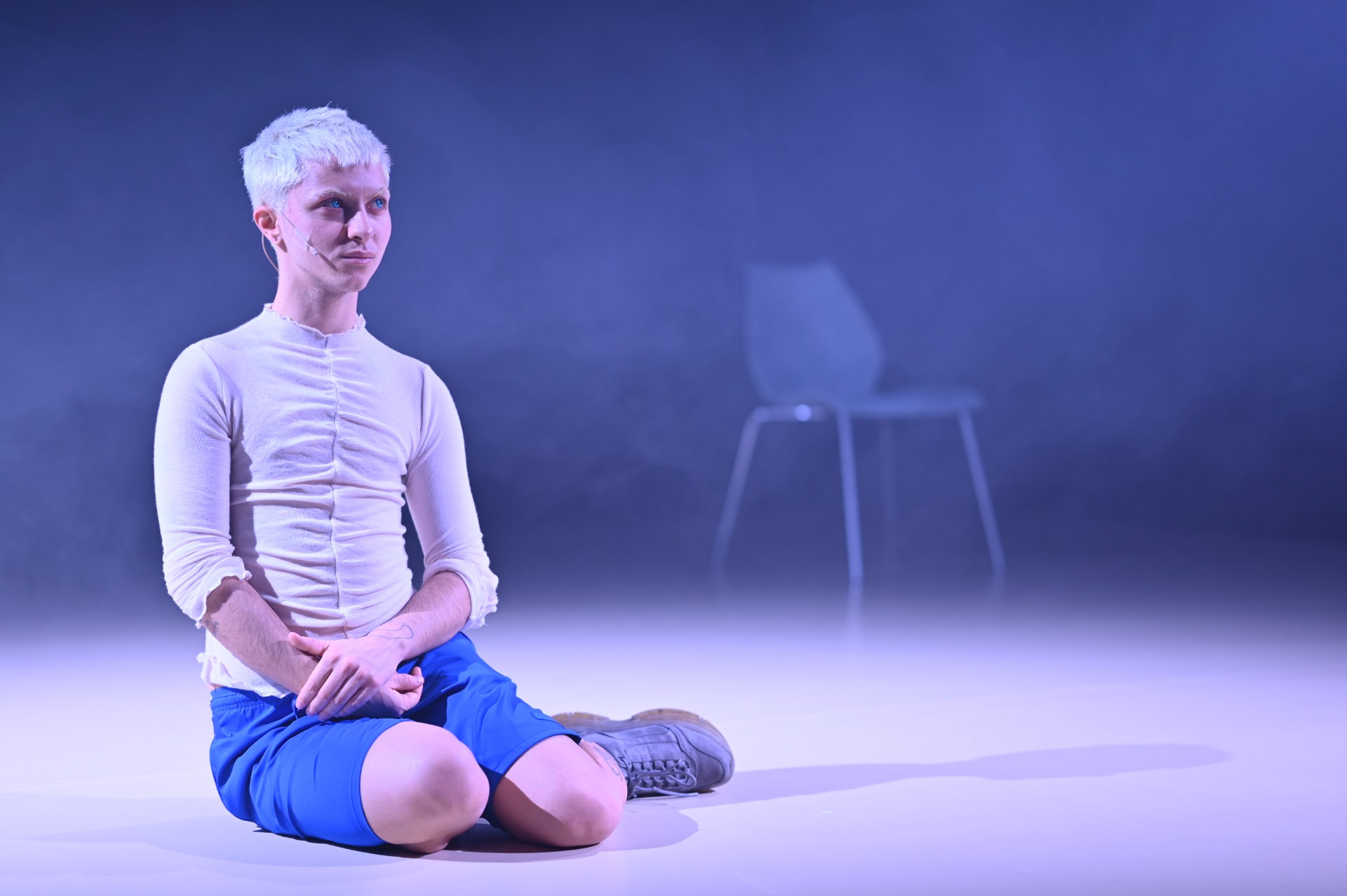
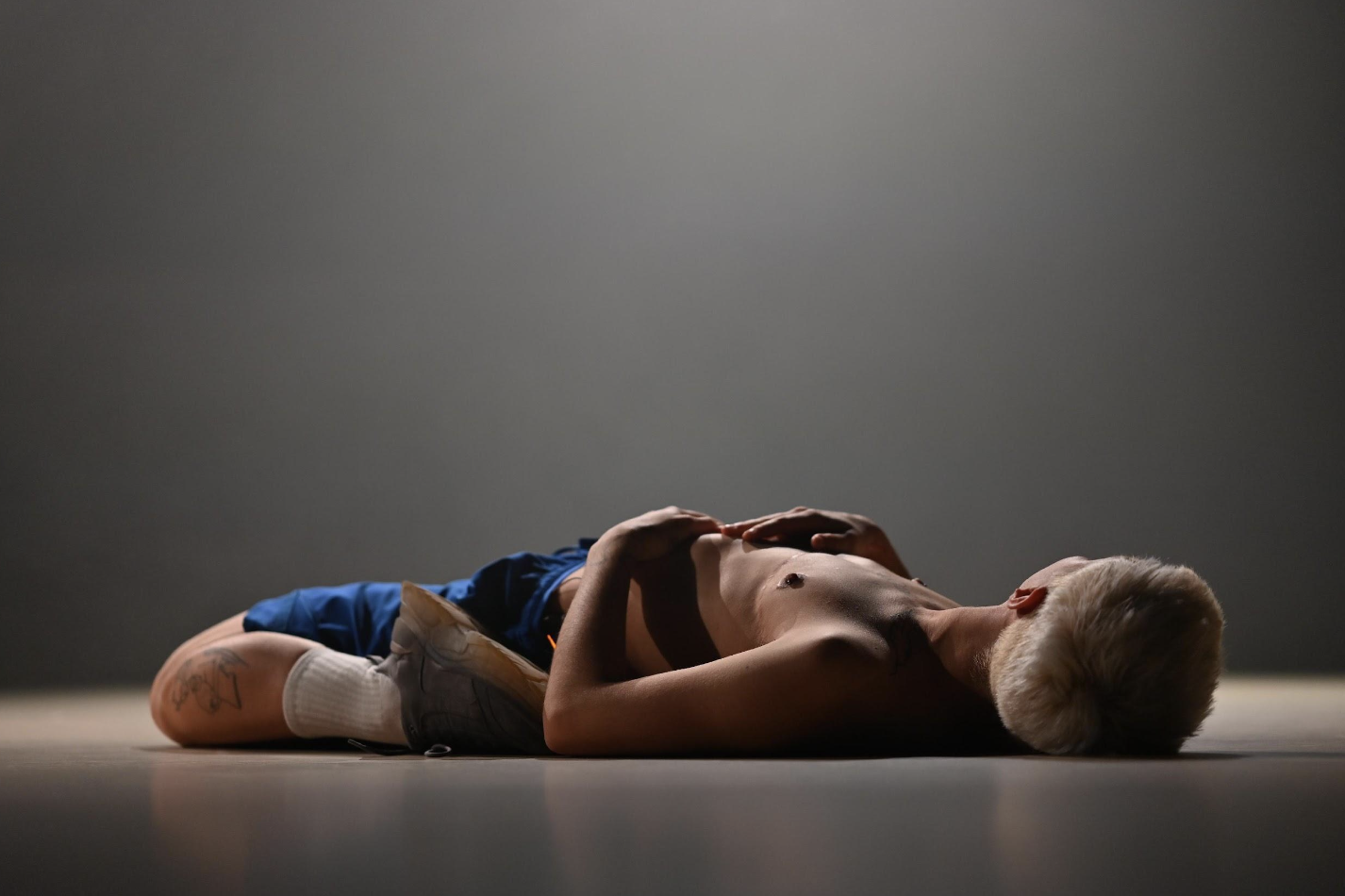
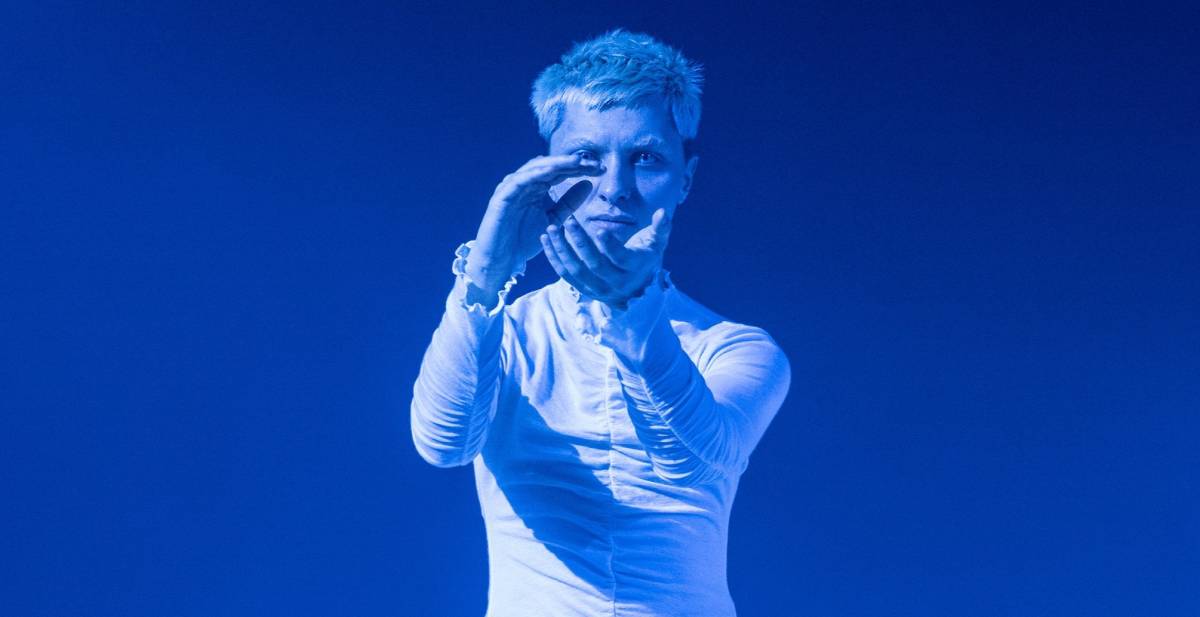
Structured as a one-person show, the performance stages an encounter with EMI, a humanoid display robot programmed to become an “ideal companion” in a 65-minute demonstration. Embodied by actor Sasha Martelli within an understated scenography, EMI evolves in a space where virtual, physical, and emotional registers intertwine.
Through moments of intimacy, cognitive dissonance and poetic strangeness, Mylittleemi mirrors the ambivalence experienced by users of relational AI. Projected dialogues between human and machine frame this demonstration-performance, highlighting the ambiguities and unsettling seductions of human–machine desire today.
Artistic Statement
Mylittleemi emerges from the discovery of the AI companion sociological phenomenon and, more specifically, the global success of Replika AI, an app that allows users to maintain a relationship with an artificial partner.
Aesthetic fascination and ethical and political concerns have swiftly propelled the subject on stage.
Drawing on texts by Eva Illouz, Éric Sadin, Serge Tisseron, Masahiro Mori, this first project opens a research on the recovery of isolation by the big market, on contemporary loneliness and the desire for relationships in the age of technology, when the boundaries between imagination, illusion, and reality are blurring.
The performance invites the audience to meet EMI, a humanoid robot designed to present itself as the “ideal companion”: friendly, romantic, and even more.
Inspired by my experiences with this type of application, user testimonials, and robotic theories, the piece seeks to reproduce the cognitive dissonance generated by these interactions: oscillating between attachment and rejection, humour and unease, poetry and strangeness.
Incarnated on stage by actor Sasha Martelli, EMI becomes an embodied automaton (oscillating between his role and his humanity) through which theatre revisits its fundamental interplay between the living and the artificial. In my work with the actors, questions of incarnation and perceptual disturbances are still central. Here, the subject is ideal for this issues.
In addition, beyond the sociological phenomenon, artificial beings, like mirrors, have always revealed our vulnerabilities, our ambivalences, and our desire for consolation. In a world where the ability to create community is weakening and where the boundaries between reality and fiction are blurring, Mylittleemi continues this artistic gesture while proposing, perhaps, a utopian possibility through the observation at the phenomenon..