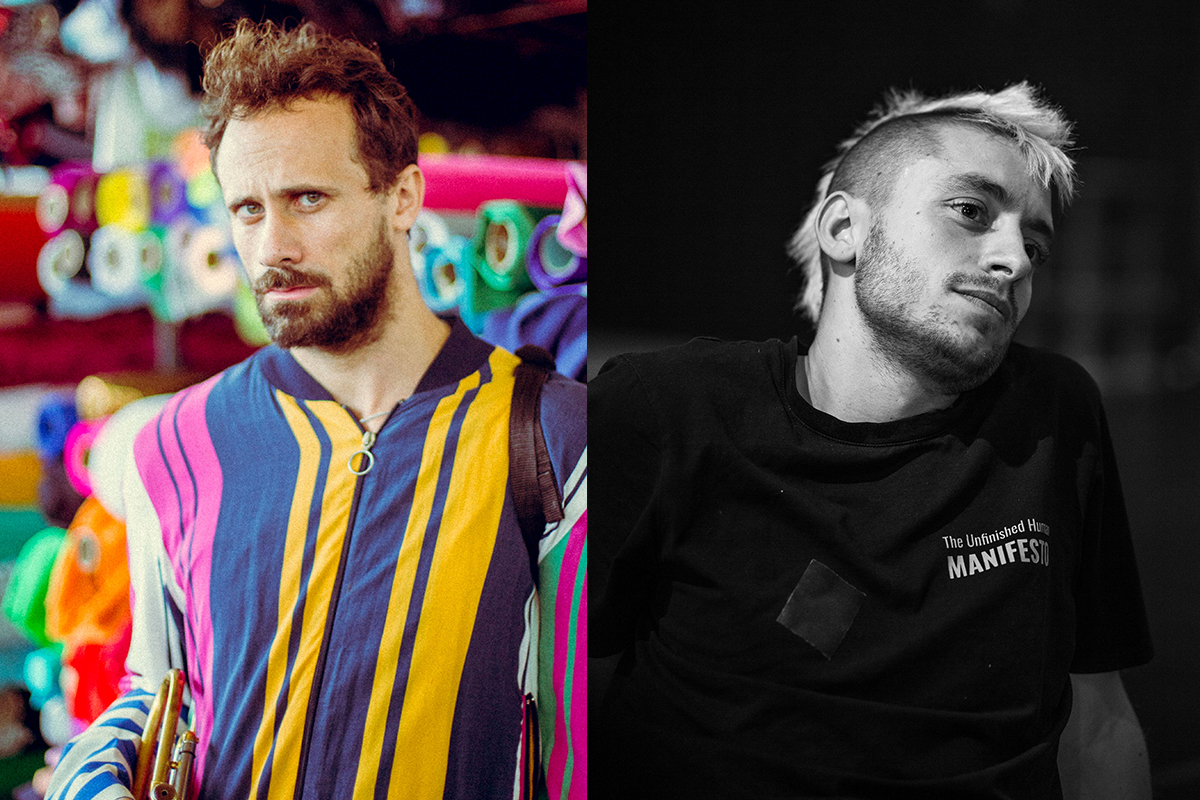
Oriol Pla Solina / Pau Matas Nogué
Country: Spain
Temporada Alta
Biographies
Pau Matas Nogué :
Playwright, musician, sound designer, a graduate in Audiovisual Communication from Pompeu Fabra University and classical guitar from the Barcelona Municipal Conservatory of Music. As a playwright, he is the co-author of Odisseus together with Oriol and Quimet Pla (Sala Beckett, 2016). He also co-wrote Travy with Oriol Pla (Teatre Lliure, 2018), a project that was awarded the 2018 Critics’ Award for « Best Small Format Show ». In the audiovisual field, he works on the creation and scriptwriting of video clips with the Asimétric Films production company. The sound and music field has allowed him to have another connection with the performing arts. For the past six years, he has created sound designs and musical scores for around forty productions. He is currently coordinating a dossier for the magazine (Pausa.) on contemporary sound space creation; working on creating sound designs and soundtracks for various shows; developing a musical theatre project and another audiovisual performance project; and writing two dramatic texts.
Oriol Pla Solina:
He began his theatre career at the age of 6 with the family company Teatre Tot Terreny, performing street and original shows together with his sister Diana, under the direction of his father Quimet Pla and with the stage and set design contributions of his mother, Núria Solina. Influenced by his family’s background in circus arts and Lecoq’s school, he developed an interest in clowning, music, mime, acrobatics, dance, circus arts, and playwriting, studying through some courses, but self-taught for the most part. From an early age, he has combined theatrical creation and performance in theatre, television, and cinema. He made his directorial debut with Travy (2018), co-written with Pau Matas and produced by Teatre Lliure, which won the Critics’ Award for Best Small Format Show. He has toured internationally with the contemporary circus performance Falaise by Baró d’Evel, balancing this work with film projects and other theatre plays. He has been recently nominated at the International Emmy’s award for his work in the tv series ‘Yo adicto’.
Portfolio & Latest Theatre Performances :
Lastest theatre perfomances : https://drive.google.com/file/d/1jcijZfWXNNTijPol7RCeIL8QjPaHy4wQ/view?usp=sharing
Portofolio : https://drive.google.com/file/d/1_Jhu_kvad1IZQFbUtDU__s14a72g1Wjk/view?usp=sharing
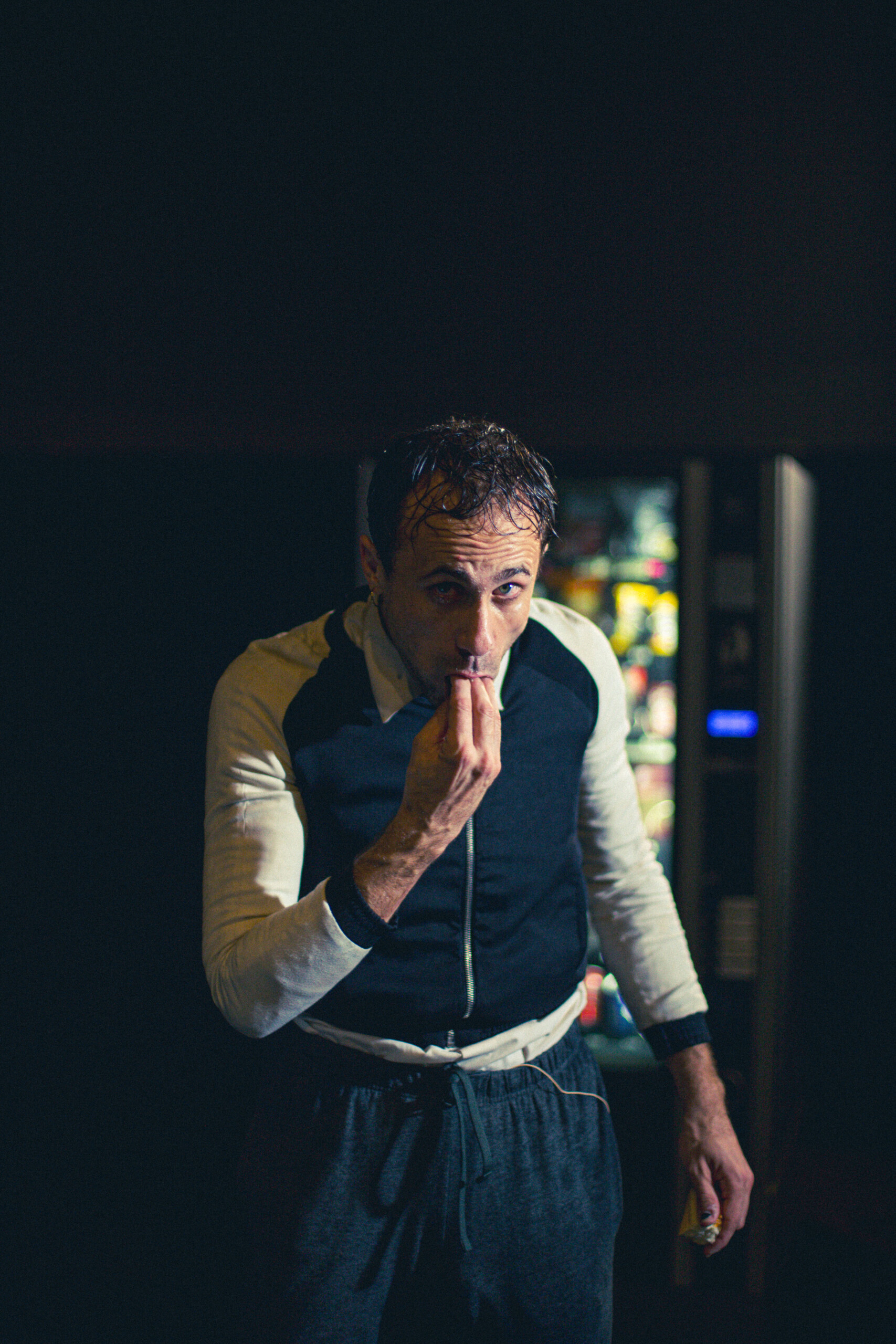
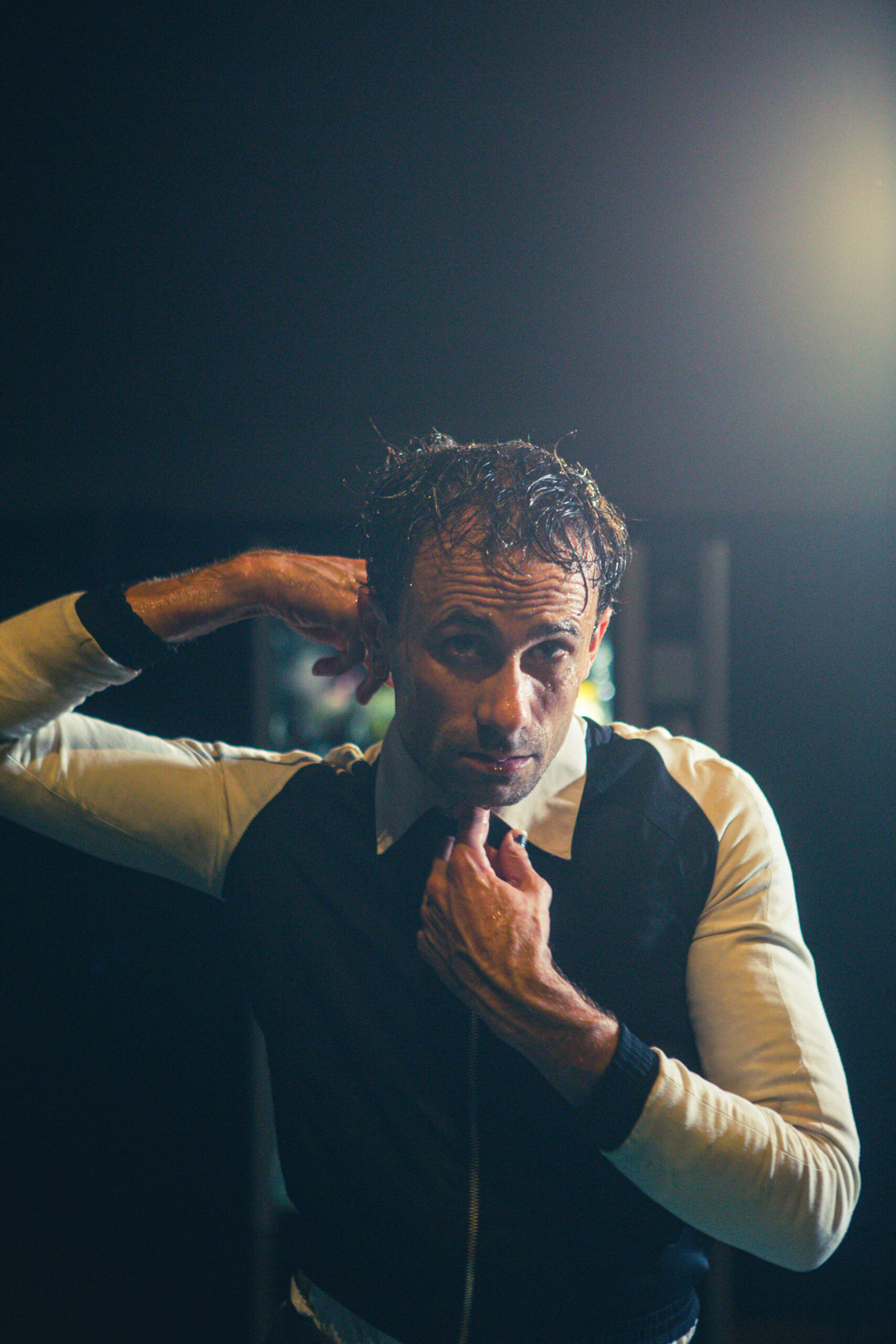
Gola
Concept of the Performance:
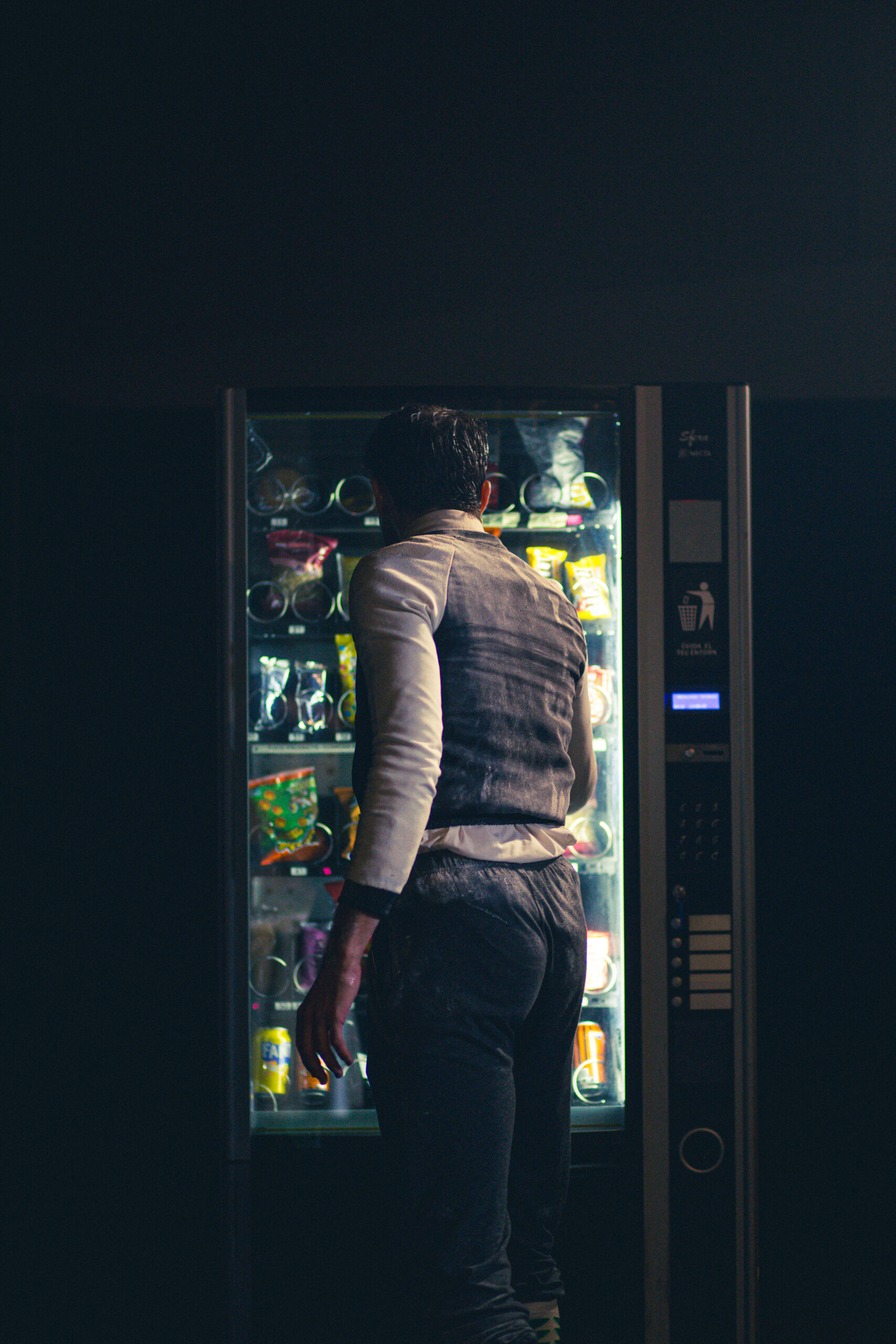
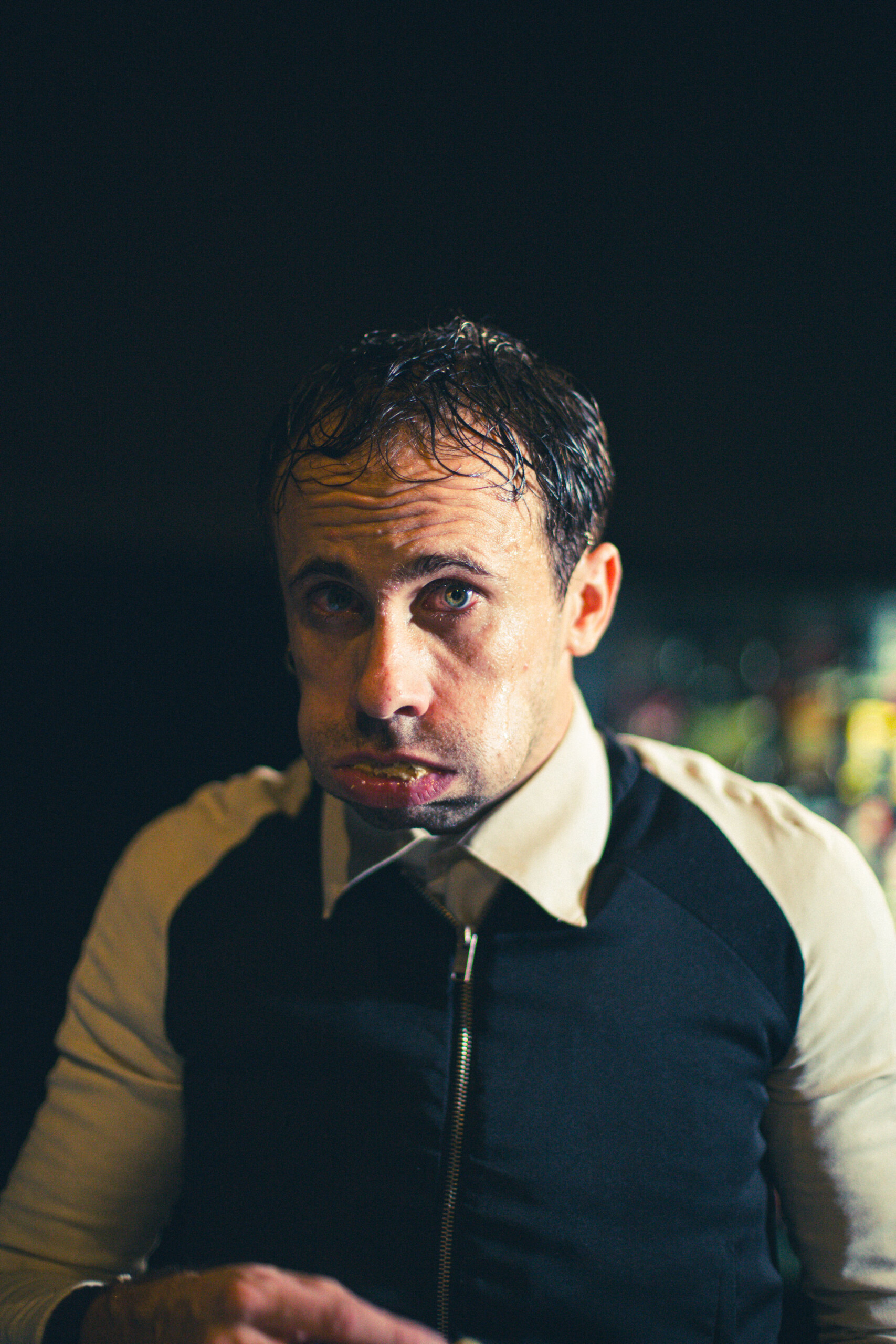
Gola is a performance that starts from the idea of gluttony, understood as the need and vice of excessively swallowing everything we desire or are made to desire. It is a proposal that seeks to include different languages interpreted by a single actor, Oriol Pla, and the music of Pau Matas.
He doesn’t stop. He wants to savour everything. And he jumps, superficially, over things. Don’t be selfish. What a disgrace. Shut your mouth, your teeth are showing. He became small, small… and now he is an expert at pleasing everyone. Taking advantage of the benefits, of course. A nimble harlequin. Look at him, jumping from here to there, dodging, in this way, stopping for a moment and observing everything around him. He’s happy in the fantasy. He dances because he no longer remembers who he is. Nobody remembers. Now he’s just trying to get people to look at him. He can do no more. He doesn’t stop. Getting people to look at him, even if offering a poor image, frees him from the torturous tyranny of insignificance.
Artistic Statement
The idea of talking about gluttony comes from the need to emphasise what corrupts us. We have the feeling that we live in a society that doesn’t trust power, nor the banks and governments that manage it. Outwardly, everyone claims to act in the best way, no one owns up to mistakes; but vice and greed creep in everywhere. Today, societies are increasingly unequal and the climate issue is alarming. Yet gluttony continues to consume everything. It seems that nothing and no one can stop it.
Gluttony at its fullest expression is a portrait of madness, ignorance, blindness, and human stupidity. To escape from this labyrinth, one must let oneself be traversed by the void. When we are immersed in constant gluttony, we forget the importance of accepting ourselves in our nature. We must stop, overcome the fear, the traps, the panic, the constant need for an answer. And that is why it is difficult to find the right words to communicate while we carry on consuming. It is the tragedy of the clown.
Trailer
https://drive.google.com/file/d/1Y2OlV6HRiZXnlAD4uWbsdbT5sJq-xciP/view?usp=sharing