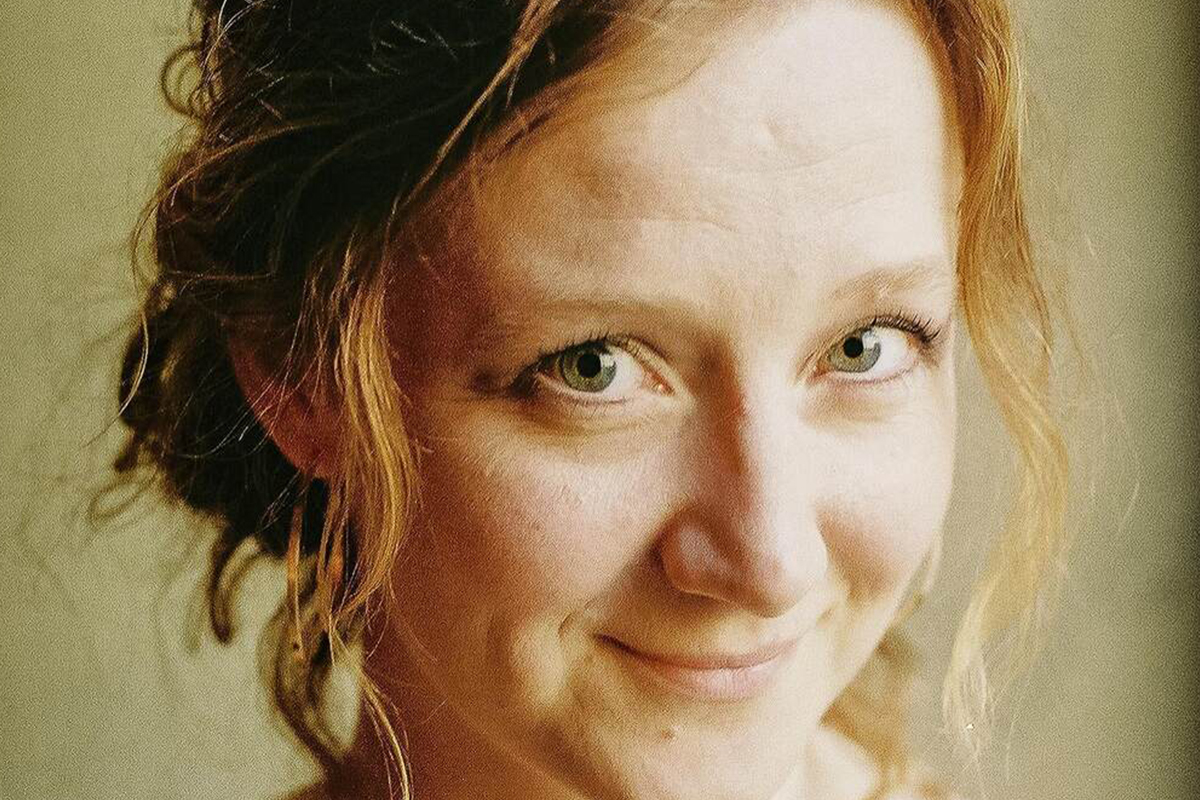
Pamela Leończyk
Country: Poland
Teatr Powszechny Warsaw
Biography
Pamela Leończyk – director, author of art installations, and theater educator. She studied Theater Directing at the Theater Academy in Warsaw. Graduated in Theater Studies and Performance Studies from the Jagiellonian University in Krakow. Member of the Board of the Guild of Polish Theater Directors. Received a scholarship from the New Theater Laboratory organized by the Proxima New Theater in Krakow. Winner of the Golden Yorick competition with the play “The Winter’s Tale” based on W. Shakespeare as part of the Shakespeare Festival. Her play “Nocni Pływacy” (Night Swimmers) won the main prize at the International Festival of Theater and Avant-Garde Art “Pestka” in Jelenia Góra. She has collaborated with the Powszechny Theater in Warsaw, Theater 21, the Nowy Proxima Theater in Krakow, the A. Mickiewicz Theater in Częstochowa, the Lalka Theater in Warsaw, the Łaźnia Center for Contemporary Art in Gdańsk, the Baltic Gallery of Contemporary Art, and others.
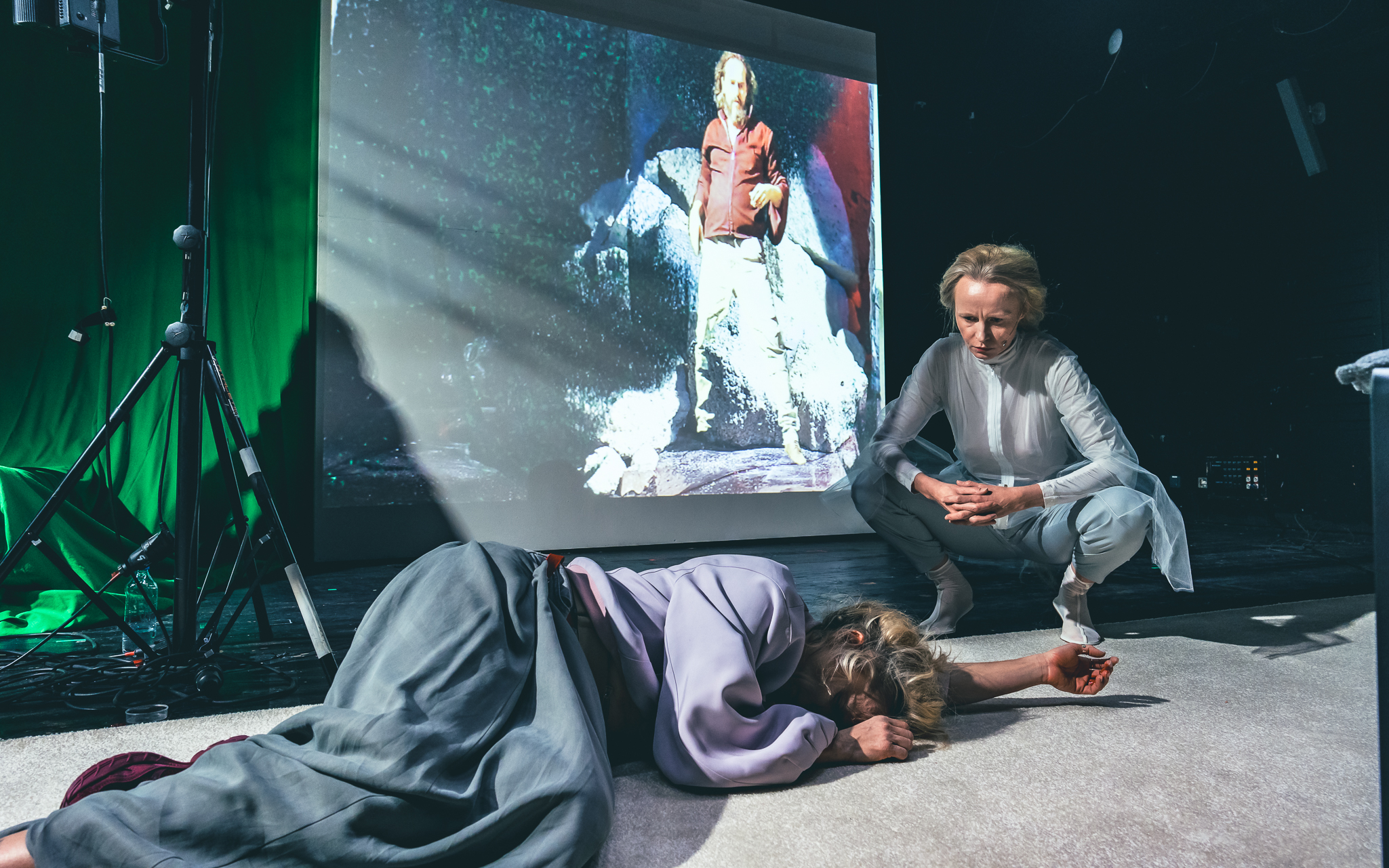
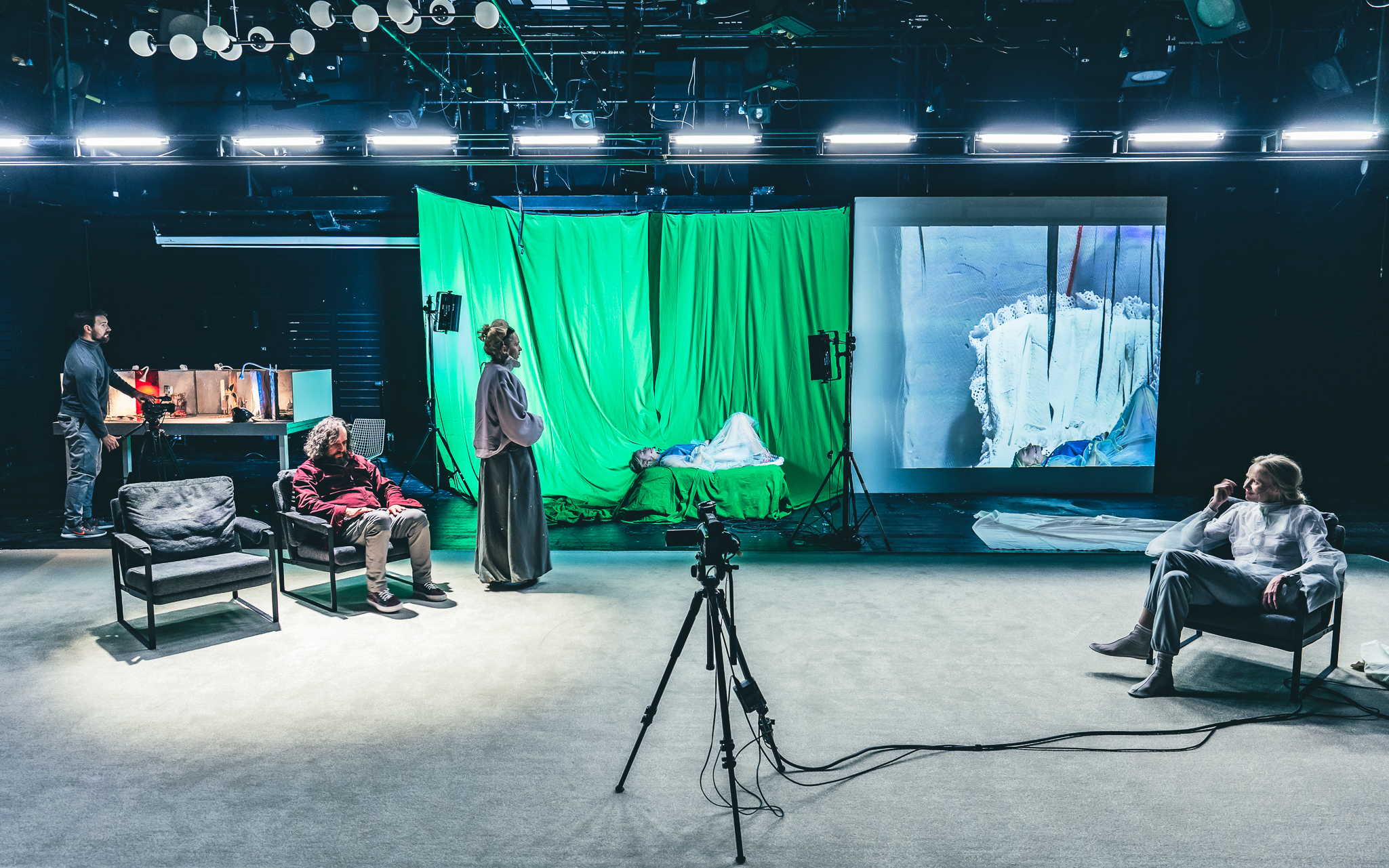
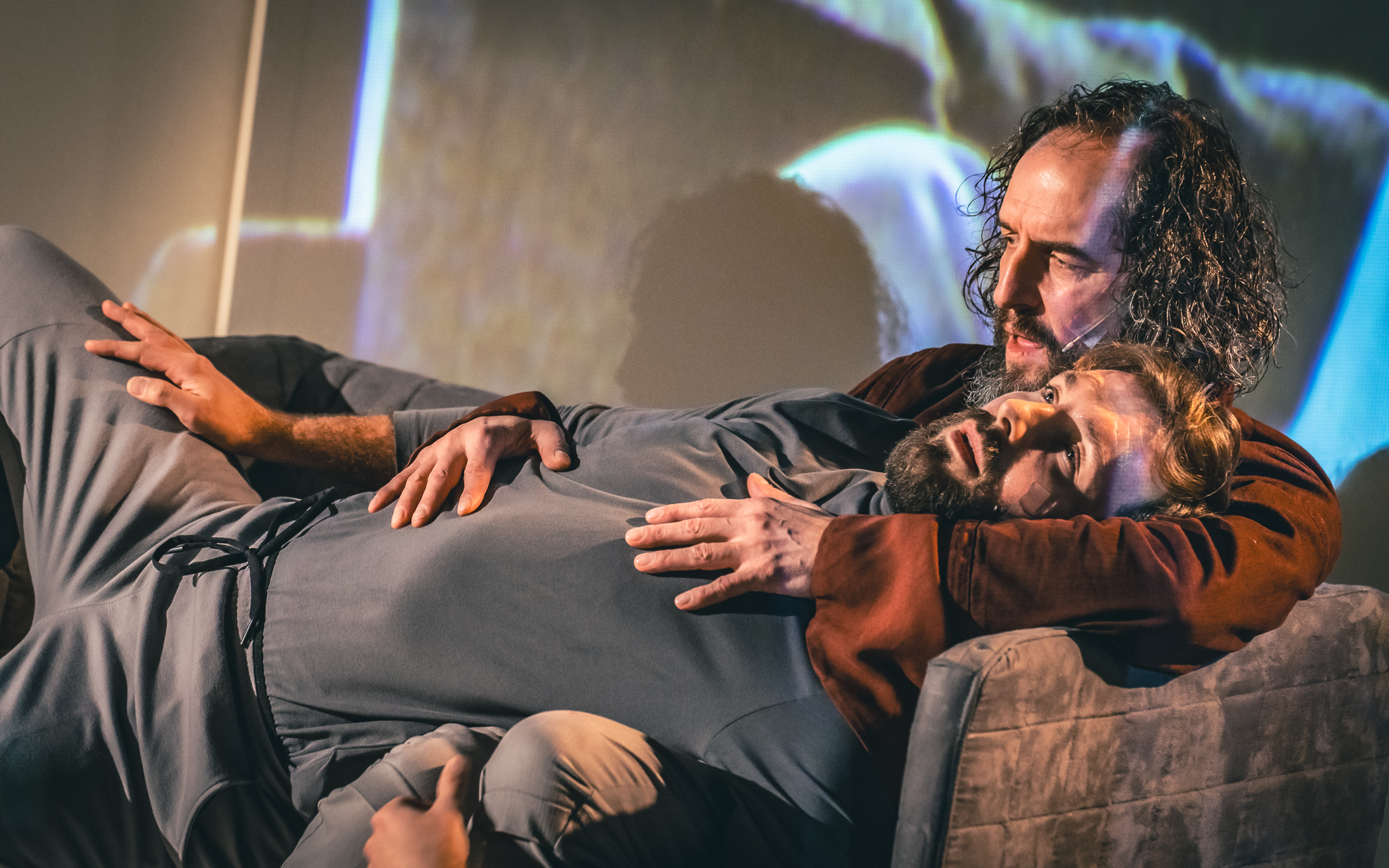
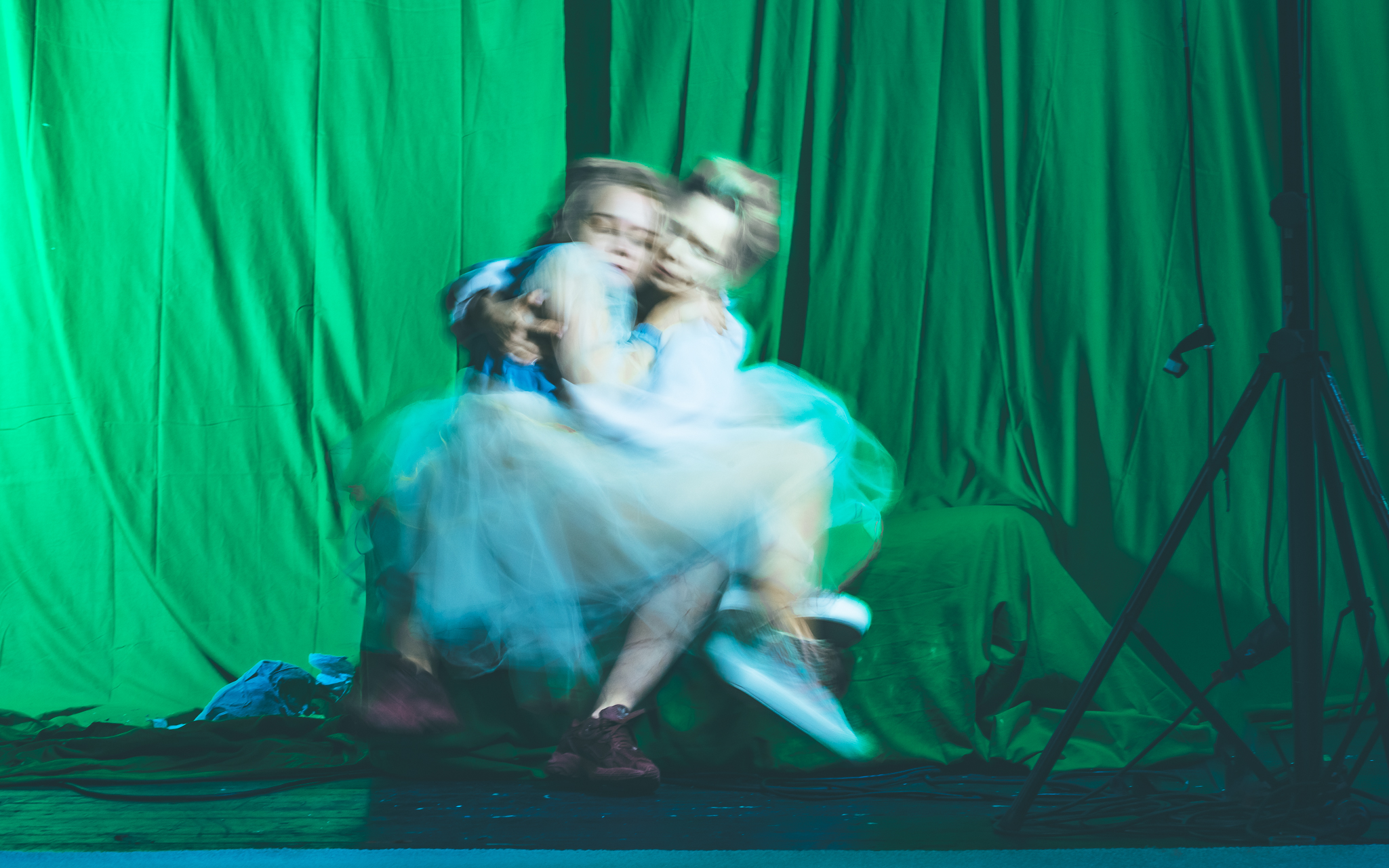
Winter Tale
Concept of the Performance:
Betrayal is probably the most inflammatory topic in a romantic relationship. It is an act that strips a couple of their bond and intimacy, leads to quick judgments and even trauma, which, if left untreated, has an incredible ability to spread to those around them. Leontes’ jealousy, which engulfs all aspects of the protagonist’s life like a trap, causes him to develop a pathological obsession and leads to destruction. As a man, father, and ultimately king, can he do otherwise? Hermione’s lament is even more heartbreaking when we see her not only as a loving wife and mother, but also as a woman seeking to fulfill her sexual needs.
The play The Winter’s Tale refers to today’s popular “culture of therapy.” The characters undergo therapy to immerse themselves in their past and look at their previously unconscious needs from a distance. The visualization of the trauma awakening in the characters makes us reflect on the effectiveness of therapeutic conversation in such a moving breakdown of relationships.
Artistic Statement
In my artistic and theatrical work, I am most interested in processuality and the relationships. I use theater pedagogy methods and group process methodologies that help to establish boundaries for cooperation in such a way that the work proceeds in a safe and open atmosphere. I primarily address socially engaged topics; I am interested in areas related to social exclusion, economic inequalities, the culture of therapy, and gender inequality issues. Some of the performances I produce are based on interviews, while others are adaptations or reinterpretations of existing texts. In addition to my artistic work, I am involved in a foundation focused on improving the labor market situation for people facing various forms of exclusion. I believe that art can also be a space for social change. It is an opportunity to exert influence and promote inclusive attitudes that support vulnerable groups.