
Naubertas Jasinskas
Country: Lithuania
Biography
Naubertas Jasinskas is a theatre director whose work orbits empathy, patriarchy, gender, sexuality, family, class — and the power that binds these structures together. He works through a queer gaze — a part of his everyday life that remains a grey area in the region.
Born and raised in Šiauliai, Lithuania. Vegan. Educated at the Lithuanian Academy of Music and Theatre under Yana Ross.
In 2025 he was invited to curate the Lithuanian programme of the Vilnius International Theatre Festival SIRENOS — for the first time in the festival’s history, through a queer perspective.
For those interested in titles: in 2022 he received the Golden Stage Cross — the highest merit in Lithuanian theatre arts — in the Young Artist category, for bowel. In 2023 he was nominated for Best Direction for The End of Eddy and The Pelican. Other achievements are easy to find on the websites made for titled people.
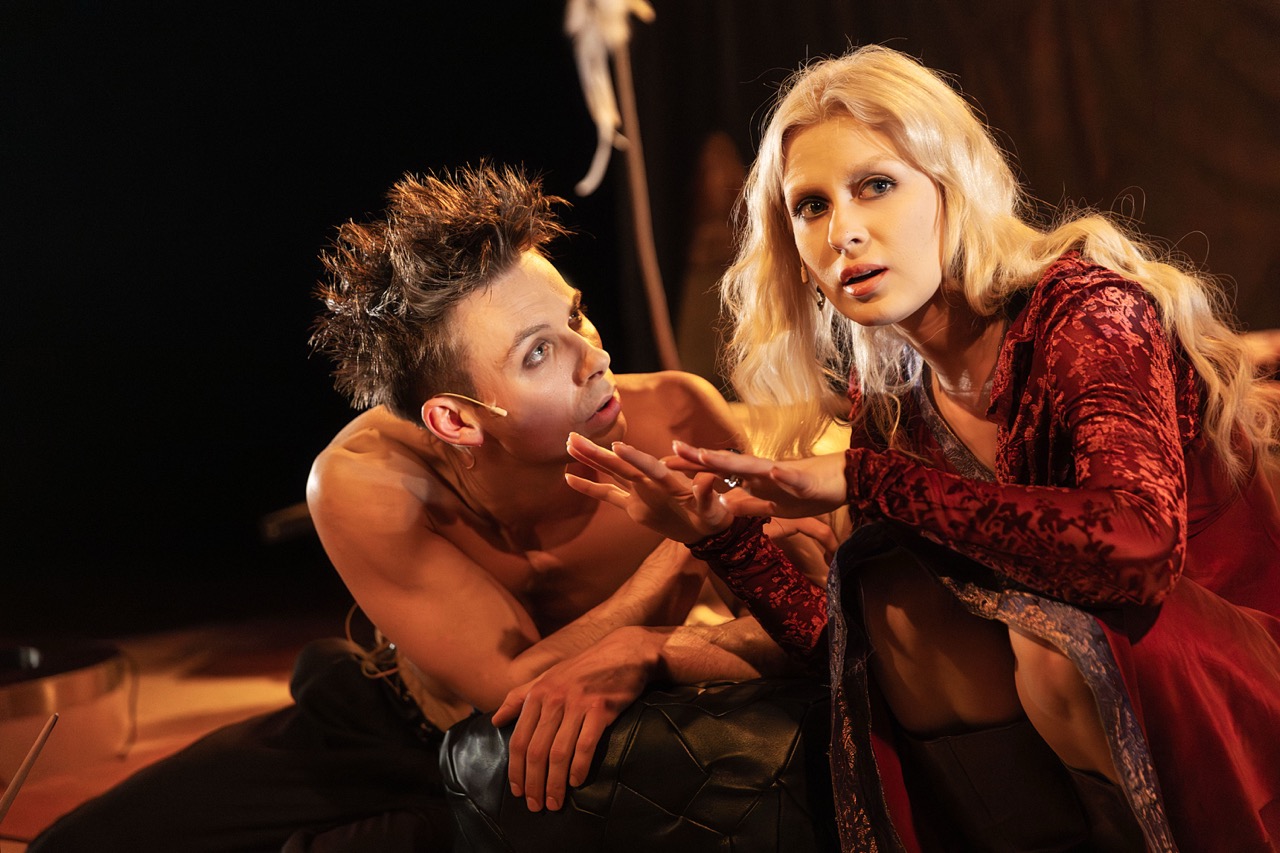
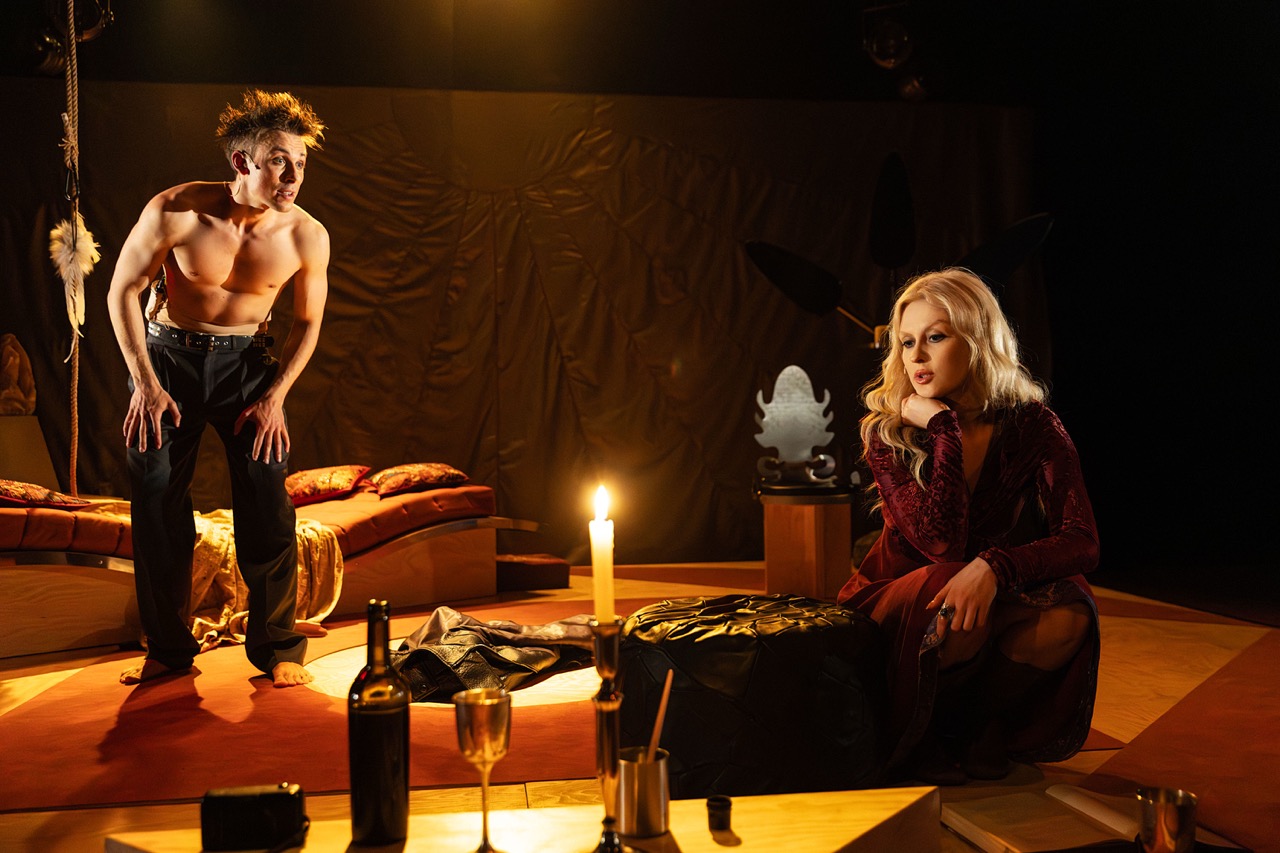
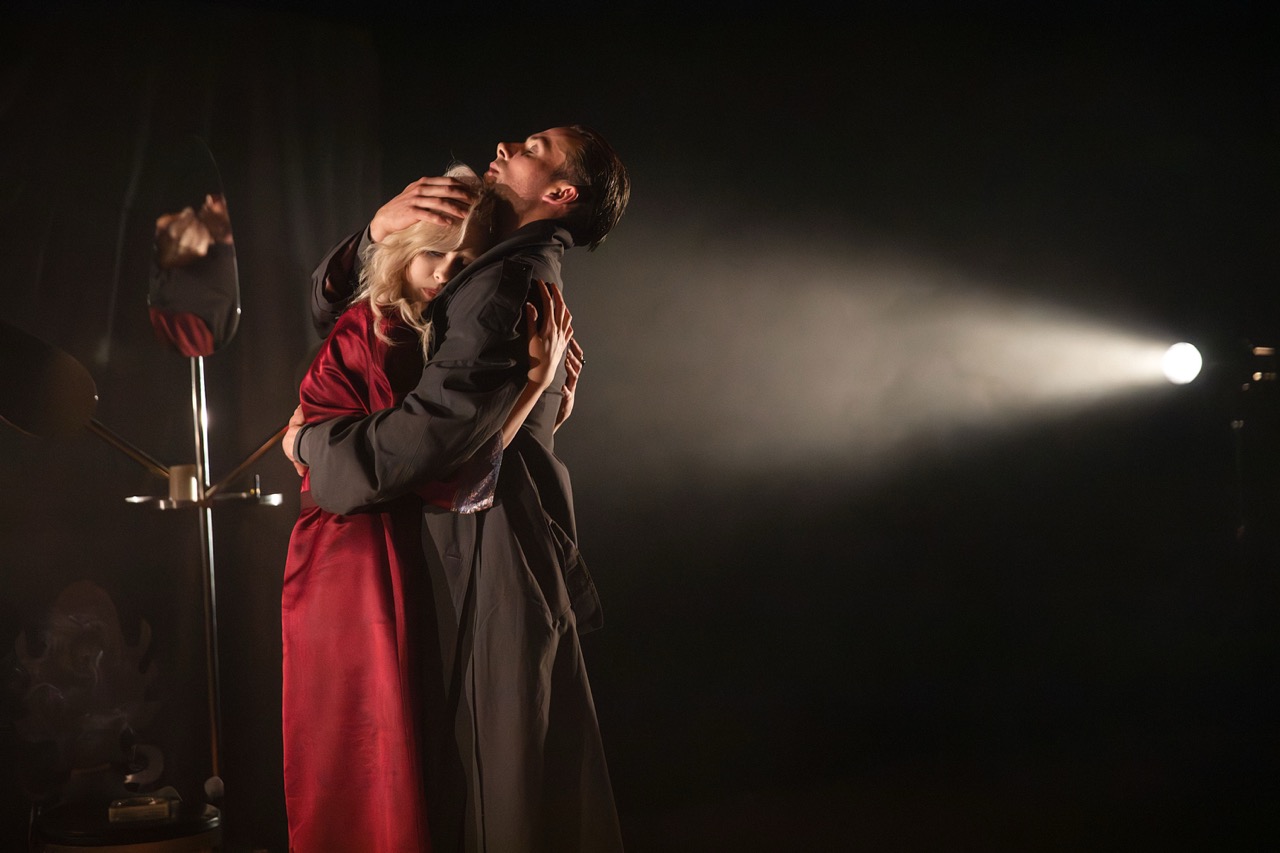
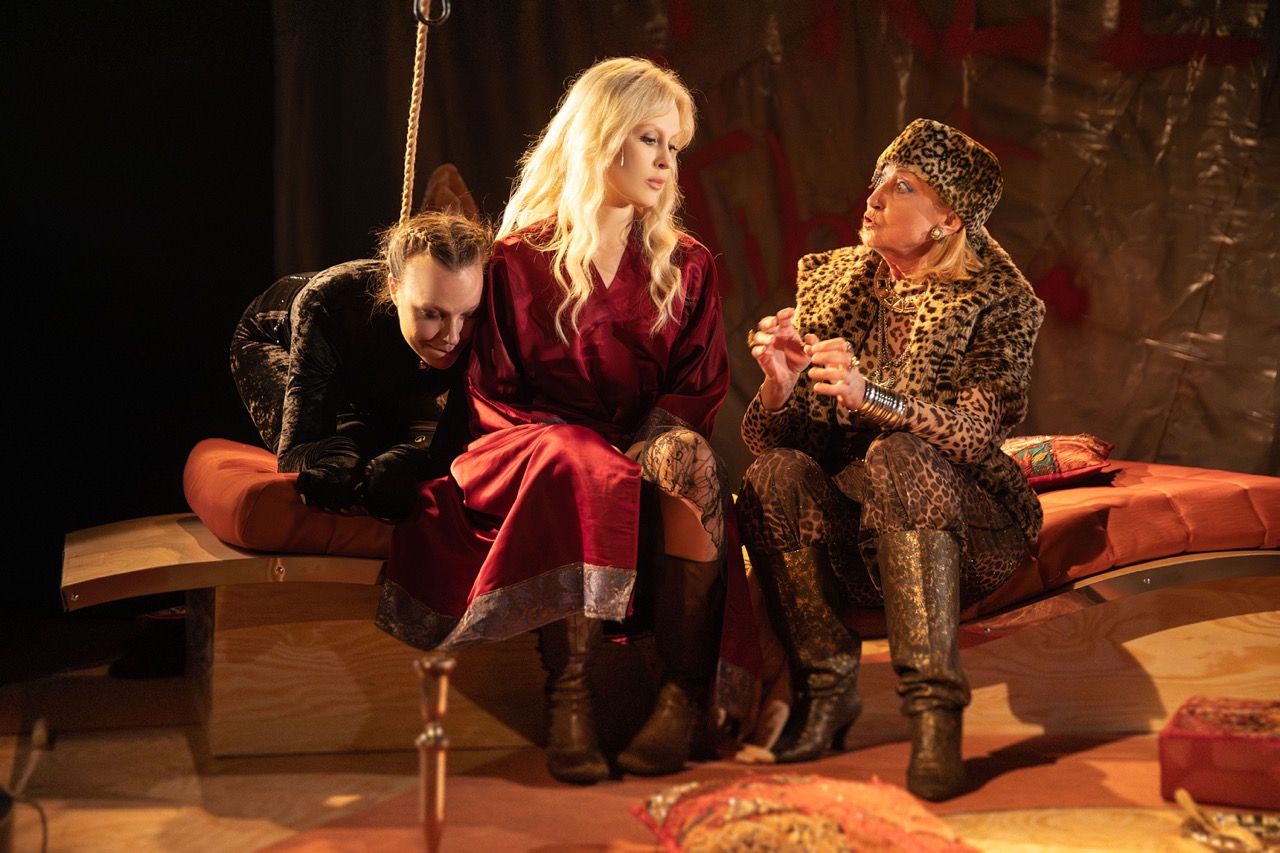

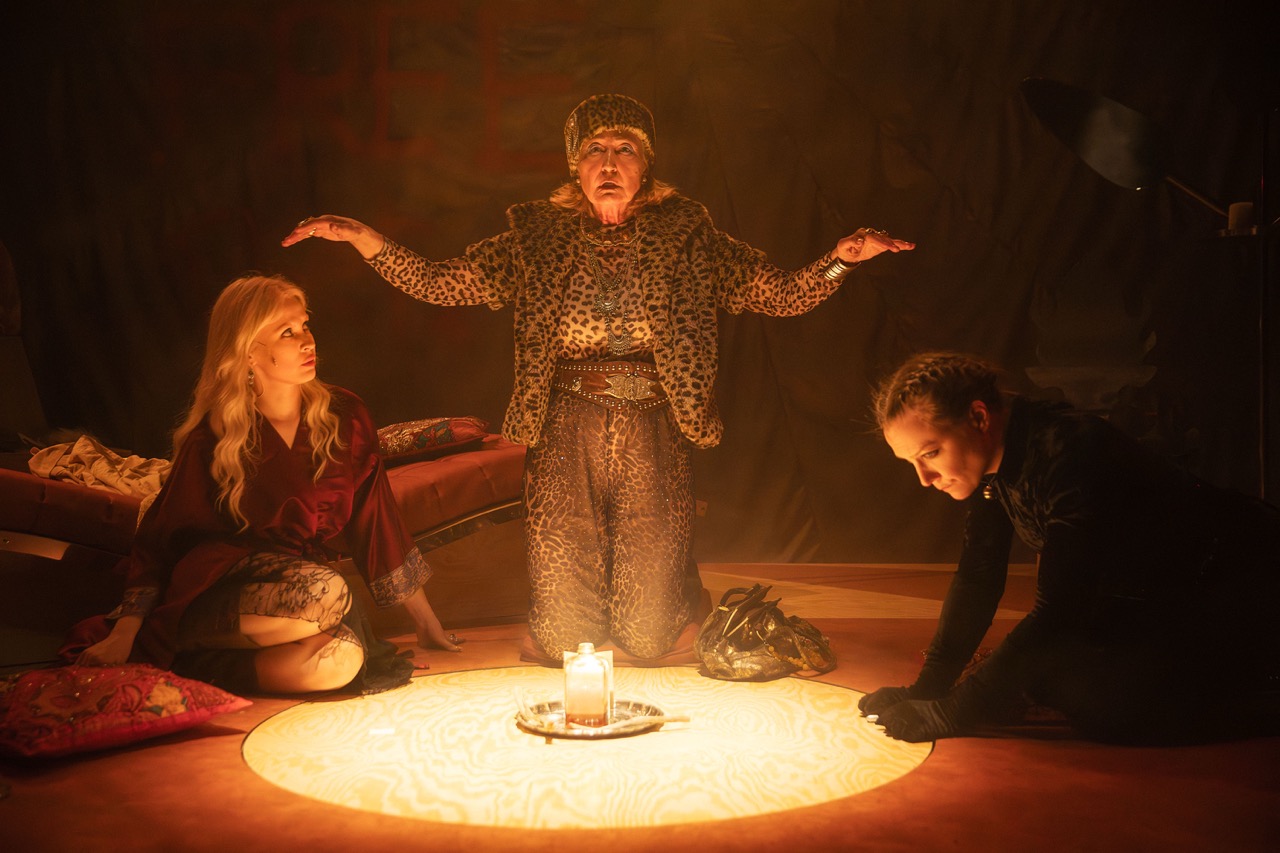
The Magic of Agnija
People say that time moves in circles, which may make it seem as if we constantly return to the same point. Or perhaps it is more like a spiral, where, while turning, one might accidentally “jump” across one’s own timeline and encounter oneself — or someone familiar — from the past… or from the future?
Inspired by the works of writer Jurga Ivanauskaitė, the performance “The Magic of Agnija” invites audiences to meet its characters as if they were different versions of a single life. It is an intimate encounter that transforms into a journey between reality and fantasy, between experiences and dreams. At the centre of the narrative lies the human search for spirituality — unique for each person, yet lasting throughout an entire lifetime.
Jurga Ivanauskaitė (1961–2007) was a Lithuanian novelist, essayist, poet, playwright, painter, and traveller, a recipient of the Lithuanian National Prize for Culture and Arts, and a woman ahead of her time. Though widely awarded and frequently discussed, the artist was not always fully understood, and her mystified image — shaped by religious and spiritual quests as well as her advocacy for the freedom of Tibet — remains firmly embedded in the collective memory. The creative team behind the performance does not seek to retell Ivanauskaitė’s biography; instead, through her extensive body of work, they aim to reread the story of human experience — one that, in Jurga’s case, was painfully and far too early interrupted by illness. Symbolically, in the year marking what would have been the artist’s sixty-fifth birthday, Ivanauskaitė’s work arrives in the world of theatre — a world that held a special fascination for her.